Key Takeaways
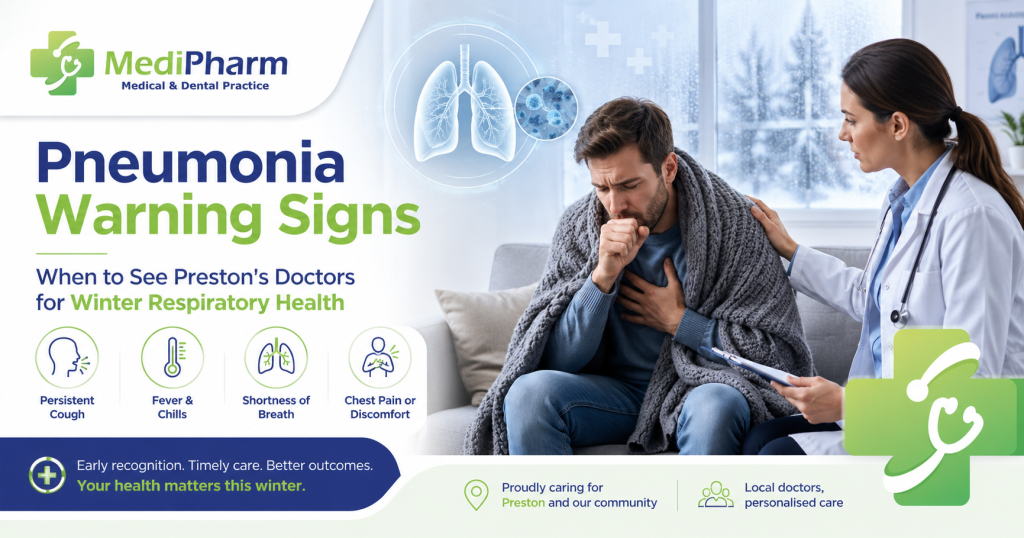
- Pneumonia symptoms often differ from a common cold; watch for persistent cough, fever, shortness of breath, and chest pain.
- Certain groups, including infants, the elderly, and those with chronic conditions, are at higher risk of severe pneumonia.
- If you experience concerning symptoms, especially high fever or difficulty breathing, it’s crucial to see your GP in Prestons, NSW, promptly for diagnosis and treatment.
As winter descends upon South-West Sydney, bringing cooler temperatures and increased indoor gatherings, respiratory illnesses become a common concern. While a sniffle or a cough might seem like just another cold, it’s vital to recognise when symptoms could indicate something more serious, like pneumonia. For families and individuals in Prestons, NSW, and surrounding suburbs like Liverpool, Casula, Edmondson Park, and Hoxton Park, understanding the pneumonia warning signs is key to protecting your health during the colder months.
At MediPharm, our bulk-billing doctors are dedicated to providing comprehensive and accessible healthcare for eligible Medicare cardholders. We’re here to help you navigate winter’s challenges, offering expert advice, timely diagnosis, and effective treatment for a wide range of respiratory conditions.
Understanding Pneumonia: More Than Just a Cold
Pneumonia is an infection that inflames the air sacs in one or both lungs, which may fill with fluid or pus. This can lead to a cough with phlegm or pus, fever, chills, and difficulty breathing. Unlike a common cold, which primarily affects the upper respiratory tract (nose, throat), pneumonia impacts the lungs directly, making it a potentially serious condition. It can be caused by various germs, including bacteria, viruses, and fungi.
Recognising the difference between a minor respiratory infection and something more significant like pneumonia is crucial for prompt medical intervention. While many people recover from pneumonia, it can be life-threatening, particularly for vulnerable populations. Our Prestons doctors are equipped to assess your symptoms and provide an accurate diagnosis.
Bacterial vs. Viral Pneumonia
Understanding the cause of pneumonia can influence treatment. Bacterial pneumonia is often more severe and can come on suddenly. It’s typically treated with antibiotics. Viral pneumonia, on the other hand, is caused by viruses like influenza or RSV, and antibiotics are not effective against it. Treatment usually involves managing symptoms while the body fights off the infection. Sometimes, viral pneumonia can lead to a secondary bacterial infection, making diagnosis complex.
Common Symptoms vs. Urgent Warning Signs
Many early symptoms of pneumonia can mimic those of a cold or the flu, making it challenging to differentiate initially. However, there are key indicators that suggest pneumonia rather than a milder illness. Paying attention to the severity and persistence of your symptoms is vital for your winter respiratory health.
- Common cold/flu symptoms: Runny nose, sore throat, sneezing, mild cough, general aches. These usually improve within a week.
- Pneumonia symptoms: Persistent cough (often producing mucus), fever, chills, shortness of breath, chest pain, and fatigue. These symptoms tend to be more severe and may worsen over time.
When Symptoms Escalate
It’s important to monitor how your symptoms evolve. If a cold or flu seems to be getting worse instead of better, or if new, more severe symptoms appear, it’s a strong signal to seek medical advice. For residents of Hoxton Park and nearby areas, MediPharm offers accessible appointments to address these concerns.
Crucial Pneumonia Warning Signs to Watch For
While general symptoms can be confusing, specific signs should immediately trigger a visit to your GP in Prestons, NSW. These warning signs indicate that the infection may be progressing and requires urgent medical attention to prevent serious complications.
- Difficulty breathing or shortness of breath: This is a primary concern. If you’re struggling to catch your breath, even when resting, or notice rapid, shallow breathing.
- Persistent high fever: A temperature of 38.5°C or higher that doesn’t respond to fever reducers, especially if accompanied by shaking chills.
- Chest pain: Sharp or stabbing chest pain that worsens when you breathe deeply or cough.
- Productive cough with coloured phlegm: Coughing up green, yellow, or rusty (blood-tinged) mucus can indicate a bacterial infection.
- Severe fatigue and weakness: Feeling extremely tired and weak, beyond what you’d expect with a cold.
- Confusion or changes in mental awareness: Particularly in older adults, a sudden onset of confusion can be a sign of severe infection.
- Bluish tinge to lips or fingernails: This indicates a lack of oxygen and is a medical emergency.
Pneumonia accounts for a significant number of hospitalisations each winter in Australia, particularly among the very young and the elderly. Early detection and treatment are paramount to improving outcomes and reducing the risk of severe illness.
Who is Most at Risk of Pneumonia?
While anyone can get pneumonia, certain groups are more susceptible to developing the infection or experiencing severe complications. Understanding these risk factors can help you be more vigilant and take proactive steps to protect yourself and your loved ones. Our bulk-billing doctors at MediPharm can discuss personalised prevention strategies with you.
Vulnerable Populations
- Infants and young children: Their immune systems are still developing, making them more vulnerable to infections like RSV and bacterial pneumonia.
- Adults aged 65 and older: A weakened immune system due to age can make it harder to fight off infections and can lead to more severe illness.
- People with chronic medical conditions: Individuals with asthma, COPD, heart disease, diabetes, or kidney disease are at higher risk.
- Individuals with weakened immune systems: This includes people with HIV/AIDS, those undergoing chemotherapy, or those taking immunosuppressants.
- Smokers: Smoking damages the lungs’ natural defences, making them more prone to infection.
Concerned about winter illness?
Don’t wait. Our experienced bulk-billing GPs are here to provide timely care.
Prevention Strategies for Winter Respiratory Health
Prevention is always better than cure, especially when it comes to serious conditions like pneumonia. There are several effective ways to reduce your risk and maintain good winter respiratory health. These strategies are beneficial for everyone in the family, from young children to seniors in areas like Edmondson Park and Green Valley.
Key Preventive Measures
- Vaccinations:
- Annual Flu Shot: Influenza is a common cause of viral pneumonia. Getting your annual flu shot significantly reduces your risk of both the flu and secondary bacterial pneumonia.
- Pneumococcal Vaccine: This vaccine protects against pneumococcal bacteria, a leading cause of bacterial pneumonia. It’s highly recommended for infants, adults aged 65 and over, and individuals with certain chronic health conditions. Discuss eligibility with your Prestons doctor.
- COVID-19 Boosters: Staying up-to-date with your COVID-19 vaccinations can help prevent severe illness, including COVID-19 related pneumonia.
- Whooping Cough (Pertussis) Booster: Especially important for pregnant women and those in contact with infants, as pertussis can lead to severe respiratory complications.
- Good Hygiene Practices: Regularly washing hands with soap and water, especially after coughing, sneezing, or being in public places, helps prevent the spread of germs.
- Avoid Smoking: Smoking is a major risk factor for respiratory infections. Quitting can significantly improve lung health and reduce vulnerability.
- Manage Chronic Conditions: Effectively managing existing health conditions like asthma, diabetes, or heart disease can strengthen your overall immunity.
- Healthy Lifestyle: A balanced diet, regular exercise, and adequate sleep support a robust immune system.
Diagnosis and Treatment Options at MediPharm
If you or a loved one are experiencing pneumonia warning signs, seeking timely medical attention is paramount. Our experienced bulk-billing doctors at MediPharm in Prestons, NSW, are here to provide comprehensive care. We understand the urgency of respiratory concerns, especially during winter.
How Our Doctors Diagnose Pneumonia
- Physical Examination: Your doctor will listen to your lungs for crackling or bubbling sounds, which can indicate fluid in the lungs.
- Medical History: We’ll ask about your symptoms, their duration, and any underlying health conditions.
- Chest X-ray: This is the most common diagnostic tool to confirm pneumonia and determine its extent.
- Blood Tests: These can help identify the type of infection (bacterial or viral) and check for signs of inflammation.
- Sputum Culture: If you’re coughing up phlegm, a sample might be tested to identify the specific germ causing the infection, guiding antibiotic choices.
Treatment Approaches
Treatment for pneumonia depends on its type and severity:
- Antibiotics: For bacterial pneumonia, antibiotics are prescribed. It’s crucial to complete the entire course, even if you start feeling better.
- Antivirals: If viral pneumonia is suspected (e.g., from influenza), antiviral medications may be considered.
- Symptom Management: This includes rest, plenty of fluids, and over-the-counter medications for fever and pain (e.g., paracetamol or ibuprofen).
- Oxygen Therapy: In severe cases where oxygen levels are low, supplementary oxygen may be necessary.
Our team will provide clear guidance on your treatment plan and closely monitor your recovery, ensuring you receive the best possible care right here in Prestons.
When to See Your Prestons Doctor
Knowing when to transition from self-care to professional medical attention is a critical part of managing your health, especially with winter respiratory illnesses. If you’re in Prestons, NSW, or nearby suburbs like Wetherill Park, and are experiencing any of the severe pneumonia warning signs discussed, don’t delay your visit to MediPharm.
It’s always better to be safe than sorry, particularly when dealing with potential lung infections. Our bulk-billing doctors are available to provide timely consultations for eligible Medicare cardholders, offering peace of mind and expert medical advice. Whether you need a diagnosis, a treatment plan, or advice on prevention, our team is ready to assist you.
Even if your symptoms seem mild but are persistent or worsening, a quick check-up can help rule out serious conditions and ensure you get back on the path to recovery sooner. We pride ourselves on being a trusted healthcare hub for the whole family, offering comprehensive care under one roof.
Frequently Asked Questions
How long does it take to recover from pneumonia?
Recovery time for pneumonia varies greatly depending on the individual’s age, overall health, and the severity of the infection. Mild cases might resolve in a few weeks, while more severe cases, especially in older adults or those with underlying conditions, can take several months to fully recover. Your MediPharm doctor can provide a more personalised estimate based on your specific situation.
Is pneumonia contagious?
Yes, pneumonia itself is not directly contagious, but the viruses and bacteria that cause it can be. These germs spread through respiratory droplets released when an infected person coughs or sneezes. Practising good hand hygiene and avoiding close contact with sick individuals can help reduce transmission. Your GP can offer advice on preventing the spread of respiratory illnesses.
Are pneumonia vaccines effective?
Yes, pneumococcal vaccines are highly effective at preventing severe disease, hospitalisation, and death from pneumococcal pneumonia, especially in high-risk groups. The annual flu shot is also crucial as influenza can lead to pneumonia. Discuss your eligibility for these vaccines with our Prestons doctors at MediPharm.
Can I get pneumonia more than once?
Yes, it is possible to get pneumonia more than once. There are many different types of bacteria and viruses that can cause pneumonia, and having one type does not provide immunity against others. Additionally, if your immune system is weakened or you have underlying lung conditions, you may be more susceptible to recurrent infections. Following preventive measures and getting recommended vaccinations can help reduce this risk.
What should I do if I suspect my child has pneumonia?
If you suspect your child has pneumonia, it’s crucial to seek medical attention immediately. Children can develop pneumonia rapidly, and their symptoms might differ from adults. Look for fast breathing, flaring nostrils, grunting sounds, chest indrawing, fever, or reduced feeding. Our bulk-billing doctors at MediPharm are experienced in paediatric care and can provide prompt assessment and treatment for your little ones.
Visit MediPharm Today
For comprehensive and affordable healthcare this winter, trust the team at MediPharm. We are conveniently located for families across Prestons, Hoxton Park, and all of South-West Sydney.