
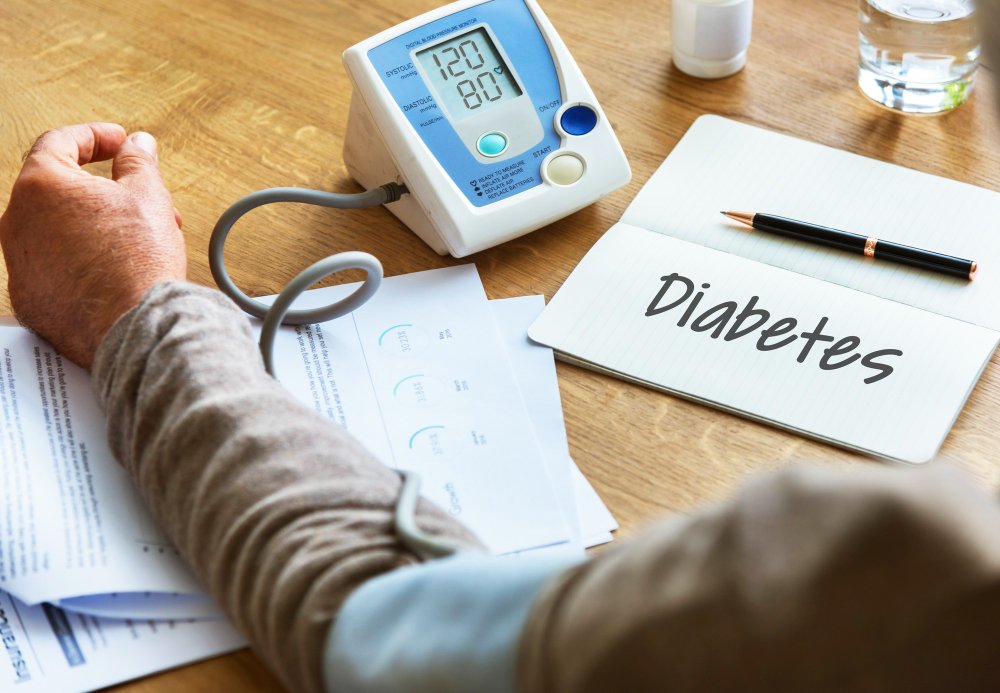
Diabetes Management is a journey that lasts a lifetime as it is a part of chronic disease management. This includes regular checkups of the body’s sugar levels, constant intake of medicine, and maintenance of the proper routine for one’s daily life. Pharmacists play a significant role in Diabetes Management. They have the experience to make people aware of this chronic disease. They can transform their knowledge regarding this disease through education, counselling, and direction. This help of pharmacists will act as a precaution for a huge population. But how does a pharmacist act in the case of diabetes management? Come let’s discuss it below:
Role of a pharmacist in diabetes management
Identifying At-Risk Individuals
Identifying those who could be at risk is one of pharmacists’ main duties in diabetes treatment. Many patients go undiagnosed as they only show symptoms once the disease has advanced. By doing regular blood glucose tests at wellness clinics and health fairs, pharmacists, the most easily available healthcare experts can help close this gap. Early discovery and rapid referral to suitable medical treatment are made possible by this straightforward but efficient method.
Educating Patients on Glucose Monitoring
Pharmacists provide great help in Diabetes Management for individuals who already have a diagnosis by instructing patients on blood glucose level monitoring. Knowing how to decipher glucose readings and respond with corrections when needed helps people take charge of their illnesses. Pharmacists can also help consumers create an action plan for controlling hyperglycemia and hypoglycemia, guaranteeing they are ready for any changes in blood sugar levels.
Supporting Medication Adherence
Drug therapy consistency is another crucial component of Diabetes Management. Choosing the most suitable therapy can be daunting given the increasing array of treatment choices now at hand. Pharmacists are suited to assist consumers in comprehending the possible adverse effects of different drugs as well as their advantages. They guarantee that patients get the greatest potential results using tailored counselling on appropriate pharmaceutical use, therefore reducing negative effects.
Promoting Lifestyle Modifications
Apart from drugs, good diabetes control depends much on lifestyle changes. Pharmacists advise consumers on the need to keep a good diet and consistent physical exercise. Pharmacists can provide dietary guidance and meal planning. This is especially helpful in areas where dietitians are unavailable.
Guidance on Insulin Therapy
Pharmacists provide hands-on instruction on correct dosage methods for those on insulin treatment. They guide patients on how to store insulin, administer injections, and identify and handle insulin-related problems. Dealing with patient issues and supporting methodical demonstrations helps one to develop self-management confidence.
Ensuring Regular Follow-Ups
Diabetes Management also depends critically on regular follow-up. By checking in at each prescription refill, pharmacists can track patient development, guarantee medication adherence, and handle any issues patients might run against. These frequent contacts improve diabetic management, serve to reinforce good practices, and encourage continuous learning.
Conclusion
Diabetes Management requires a whole strategy including education, lifestyle adjustments, and ongoing support; it is not only about drugs. As front-line healthcare providers, pharmacists are quite important in helping people toward improved health. Pharmacists actively manage diabetes, enabling people to take charge of their condition. This management enhances their quality of life and helps avoid the consequences of uncontrolled diabetes. Effective Diabetes Management can be greatly improved by adopting a proactive attitude supported by a pharmacist.